

 | Today's Date:



DNC Dark Money Rule: 2028 Democrats Must Reject Secret Cash for Debates
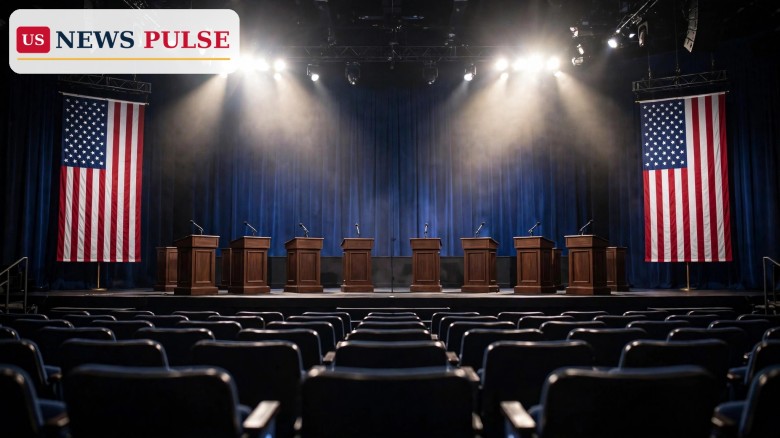
Democratic presidential hopefuls will have to sign a pledge denouncing dark money to qualify for the party's 2028 primary debates, the Democratic National Committee announced on Monday, November 23, 2026. The new DNC dark money debate rule makes rejecting secret-donor spending a formal condition of reaching the debate stage, as the party prepares for a huge field of contenders with no clear frontrunner. The DNC is planning 12 debates to choose its 2028 White House standard-bearer — five in 2027 and seven in 2028 — with the first two in June and July 2027 and the final debate expected in March 2028.
Key Points
- The DNC announced on Monday, November 23, 2026, that 2028 Democratic presidential hopefuls must sign a pledge denouncing dark money to qualify for the party's primary debates.
- The party plans 12 debates — five in 2027 and seven in 2028 — with the first two in June and July 2027 and the final debate expected in March 2028.
- Some debates may run over two nights, with a maximum of 20 candidates in total taking part, because so many contenders are expected to enter.
- Candidates must also meet polling and grassroots fundraising requirements to demonstrate voter support.
- The rule is part of a DNC effort to curb outside groups that spend unlimited amounts to support or oppose candidates without revealing funding sources.
What Happened
The Democratic National Committee, which oversees the party's presidential primary process, announced the requirement on Monday as it set out the 2028 race. To qualify for the Democratic presidential debates, candidates must sign a pledge denouncing dark money — political spending to influence elections by groups that do not disclose their donors.
The DNC said it plans to hold five presidential primary debates in 2027 and seven in 2028. The first two are scheduled for June and July 2027, while the final debate is expected to take place in March 2028, though the party said the schedule could be adjusted if needed. The locations of the early debates will be announced in January.
Background and Context
The rule lands three weeks after the midterm elections that reshaped American politics. On November 3, Democrats routed Republicans, clinching a historic 258-seat majority in the US House of Representatives — their largest since 1992 — and the party is now turning from a midterm victory to the harder question of who leads it into 2028. Read more: Democrats Clinch Historic 258-Seat US House Majority, Largest Since 1992.
At a gathering in Denver shortly after the elections, tensions between centrist Democrats and a restive progressive wing surfaced, underscoring long-standing ideological and generational divides as the party seeks a 2028 White House nominee. The debate rules are the first concrete step in managing a contest that could pull the party in different directions.
The money at stake is enormous. Five dark-money-funded outside groups poured more than $1 billion into the midterm campaigns, according to an AFP analysis of Federal Election Commission data, nearly a third of all non-party spending in the cycle. Elon Musk alone gave almost $450 million to Republican groups, and voters cannot see who funds most of that spending.
DNC Dark Money Debate Rule: What Candidates Must Do
The pledge itself is simple: candidates must publicly denounce dark money — spending by groups that do not disclose their donors — to qualify for the debates. It does not by itself stop outside groups from spending on a candidate's behalf; those groups operate independently, and the DNC cannot ban them. What it does is force every candidate who wants a debate platform to take a public position against secret spending, on the record, before the campaign begins in earnest.
The other qualification hurdles are familiar from past cycles. Candidates will also have to meet polling and grassroots fundraising requirements to demonstrate that they have voter support. Together with the pledge, the rules are designed to narrow a potentially huge field to the candidates with genuine backing, while keeping the process open enough to let an outsider break through.
Reactions
The announcement came from the Democratic National Committee itself, which framed the pledge as part of its effort to curb the influence of outside groups that can spend unlimited amounts without revealing funding sources. No quotes from individual DNC officials or from declared or prospective candidates were in the material checked, and no candidate has yet responded publicly to the new requirement in the reporting reviewed.
The silence from the field is not surprising. No clear frontrunner has emerged, and the potential contenders are still weighing their options. Senator Cory Booker is among the Democrats publicly weighing a presidential run, and his decision — like those of other possible candidates — will now have to factor in the pledge as a first, unavoidable step toward the debate stage. Read more: Cory Booker 2028: Senator Weighs Presidential Run, 'A Lot of Hard Thought'.
Why It Matters
The debate stage is where presidential primaries are won and lost, and the DNC has just made it the first battleground of 2028. Whoever wants to be seen by the millions of voters who watch the debates must first sign a pledge that could be used against them for the rest of the campaign. That changes the incentives for every candidate and for the outside groups that might help them.
Beyond the party, the rule is a statement about the direction of American campaign finance. More than $1 billion in secret money flowed through the midterms, and the DNC is betting that voters care about where that money comes from. If the pledge becomes a defining feature of the 2028 primary, it could pressure both parties to confront a system where unlimited, undisclosed spending is now routine.
What Happens Next
The next milestone is January, when the DNC will announce the locations of the early debates. The first debate is scheduled for June 2027, with the second following in July, and the party has said the schedule could be adjusted if needed. Candidates will have months to meet the polling and fundraising thresholds — and to decide whether they are willing to sign the pledge. Watch for the first responses: the first to sign, and the first to hesitate, will each say something about how the 2028 race is shaping up.
Frequently Asked Questions
What is the DNC's new dark money rule?
Democratic presidential hopefuls must sign a pledge denouncing dark money — spending by groups that do not disclose donors — to qualify for the 2028 primary debates.
How many 2028 Democratic debates are planned?
Twelve: five in 2027 and seven in 2028. The first two, in June and July 2027; the final debate, in March 2028.
How many candidates can take part?
Up to 20 candidates in total, with some debates possibly held over two nights because so many contenders are expected to enter.
What else must candidates do to qualify?
They must also meet polling and grassroots fundraising requirements to demonstrate voter support.
When will the debate locations be announced?
In January, the DNC said, and the schedule could be adjusted if needed.

The US News Pulse newsroom covers breaking news across the United States and the world, working from wire services, official statements and on-the-record sources. Every story is reviewed against our editorial standards before publication. Corrections and tips: info@usnewspulse.com
About our newsroomLeave a Comment