

 | Today's Date:



Clayton: Putin Is 'Not America's Friend' in Ukraine After Trump Remark
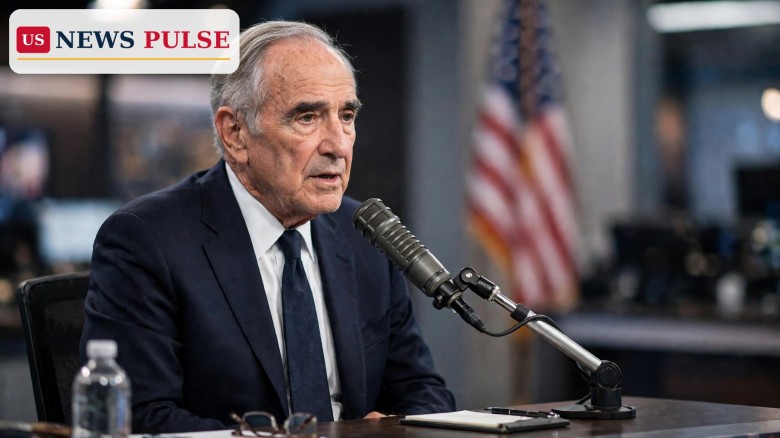
America's top intelligence official has publicly pushed back on President Donald Trump's description of Vladimir Putin as a friend, telling ABC News on Sunday, November 22, 2026, that the Russian leader is "not America's friend in Ukraine... Not at all." Director of National Intelligence Jay Clayton's blunt answer, on ABC's "This Week," drew the sharpest line yet inside the administration over how to talk about the man whose full-scale invasion of Ukraine is now in its fifth year — three days after Trump defended calling Putin his friend at the Shenzhen trilateral summit.
Key Points
- Clayton told ABC's "This Week" on Sunday: "He is not America's friend in Ukraine... Not at all."
- He said Trump's "friend" was "entirely appropriate" at the Shenzhen summit of the world's three leading nuclear powers, who agreed they "cannot have a nuclear incident."
- Trump defended the word on Thursday — "it's nice to have people that have 4,000 nuclear weapons as a friend as opposed to an enemy" — but on Friday said, "I can't speak to America," when asked if Putin is a friend to the US as a whole.
- Polish Prime Minister Donald Tusk said "Mr Putin is not our friend and will never be"; Ukrainian President Volodymyr Zelenskyy shrugged and walked away when asked on Thursday.
- Russia invaded Ukraine in 2022, controls about a fifth of the country, and Putin still demands Ukraine surrender all of eastern Donbas for peace.
What Happened
The exchange came on ABC's "This Week" on Sunday, when host Jonathan Karl pressed Clayton directly on whether Vladimir Putin is America's friend. Clayton did not hesitate. "He is not America's friend in Ukraine... Not at all," the Director of National Intelligence said, drawing a clear line between last week's summit diplomacy and the war itself.
At the same time, Clayton defended the president's language in Shenzhen. He said Trump's use of "friend" was "entirely appropriate" at a meeting of the leaders of the world's three leading nuclear powers, who agreed that they "cannot have a nuclear incident." The word keeps the biggest nuclear arsenals talking; it is not a judgement about the war.
Background and Context
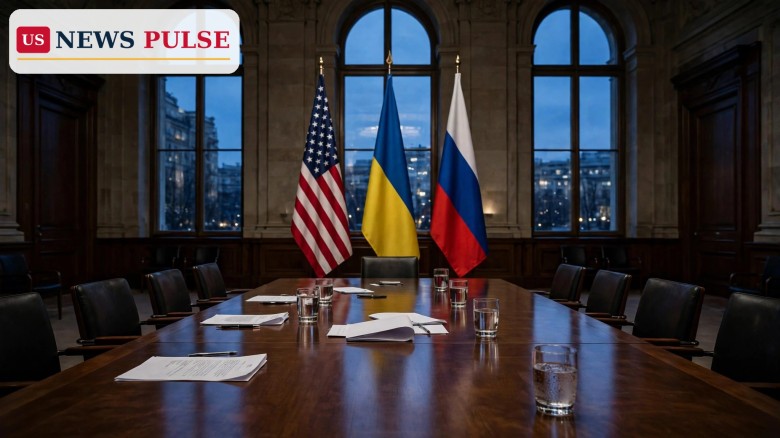
The Shenzhen meeting on Thursday was the first-ever three-way gathering of Trump, Chinese President Xi Jinping and Putin, and it produced a peace declaration but no breakthrough on Ukraine. Within hours, Russia launched a massive overnight missile and drone attack, killing at least eight people in Kyiv and Lviv and damaging three bridges over the Dnipro. Zelenskyy called the attack on Kyiv the biggest this year and told CNN the next day that for Ukrainians, Putin is an enemy and "a killer." Read more: Zelenskyy Calls Putin a 'Killer' After Trump Calls Him 'Friend' at Summit.
The "friend" remark also landed in a tense week between Washington and its European allies. Hours after Shenzhen, Trump called into a Coalition of the Willing meeting in Berlin and questioned Europe's billions in military aid to Ukraine. Britain, France and Germany reaffirmed their support, pledging 70 billion euros in 2026 and at least the same in 2027. Read more: Trump Sets Jan. 3 Deadline for Ukraine Peace Deal Before Democrats Take Congress. US envoys Steve Witkoff and Jared Kushner have shuttled between Moscow, Dublin and Berlin, and Kushner has said Russia has agreed to a multilateral format including European countries. Read more: Kushner Says Russia Agreed to Multilateral Ukraine Talks, POWs Head Home.
Clayton: Putin Is 'Not America's Friend' in Ukraine
Clayton's words were carefully chosen, and that is what makes them significant. As Director of National Intelligence, he is the president's senior adviser on what American intelligence believes about the world. By saying Putin is "not America's friend in Ukraine... Not at all," he put the intelligence community's assessment of the Russian leader on the public record in the bluntest possible terms.
At the same time, Clayton gave the president room. Calling the "friend" language "entirely appropriate" at the summit, he framed it as the language of nuclear diplomacy rather than of alliance: three leaders who hold the world's largest nuclear arsenals agreed they "cannot have a nuclear incident," and talking to an adversary is not the same as trusting him.
Reactions
Trump has not backed away from the word itself. His argument, made on Thursday, is practical: "it's nice to have people that have 4,000 nuclear weapons as a friend as opposed to an enemy." The president has repeatedly said his relationship with Putin is an asset — a leader who can talk to Moscow is better placed to end the war. But his Friday answer, "I can't speak to America," showed the limit of that argument.
European allies have been far less willing to accept the framing. Polish Prime Minister Donald Tusk said plainly, "Mr Putin is not our friend and will never be." Zelenskyy said nothing when asked on Thursday — he shrugged and walked away.
Why It Matters
Words from presidents and intelligence chiefs shape negotiations, and this argument is really about what kind of peace the United States is prepared to accept. When an American president calls the Russian leader his friend in public, Moscow hears encouragement, Kyiv hears doubt about American backing, and European capitals hear that Washington's patience with the war is running out. When the Director of National Intelligence then says, on the same weekend, that Putin is "not America's friend in Ukraine," he is trying to limit that reading. It matters at home, too: Democrats take control of both chambers of Congress in January, and the administration's Ukraine policy will face far closer scrutiny there, including over the reported January 3 deadline for a deal.
What Happens Next
The diplomacy now moves to the G20 in Miami next month, where Zelenskyy has said he is ready for direct talks with Putin. Whether that meeting happens — and produces anything beyond a handshake — will test whether the Shenzhen warmth translates into real movement. The envoys' shuttle continues meanwhile: Witkoff and Kushner keep moving between Moscow, Dublin and Berlin, and the next round will test whether the reported January 3 deadline produces concessions or hardens positions.
Frequently Asked Questions
What did Jay Clayton say about Putin?
On ABC's "This Week" on Sunday, November 22, 2026, he said, "He is not America's friend in Ukraine... Not at all."
Why did Clayton call Trump's "friend" remark appropriate?
He said it was "entirely appropriate" at the Shenzhen summit of the world's three leading nuclear powers, whose leaders agreed they "cannot have a nuclear incident."
What did Trump say about Putin?
On Thursday he said, "it's nice to have people that have 4,000 nuclear weapons as a friend as opposed to an enemy." On Friday he said, "I can't speak to America."
How did European allies react?
Polish Prime Minister Donald Tusk said, "Mr Putin is not our friend and will never be." President Volodymyr Zelenskyy shrugged and walked away when asked on Thursday.
What happens next in the Ukraine peace talks?
Zelenskyy is ready for direct talks with Putin at the G20 in Miami next month, while US envoys keep shuttling between Moscow, Dublin and Berlin.

The US News Pulse newsroom covers breaking news across the United States and the world, working from wire services, official statements and on-the-record sources. Every story is reviewed against our editorial standards before publication. Corrections and tips: info@usnewspulse.com
About our newsroomLeave a Comment