

 | Today's Date:



Infantino's Scrapped $20bn Plan to Sell World Cup Rights for 96 Years Exposed
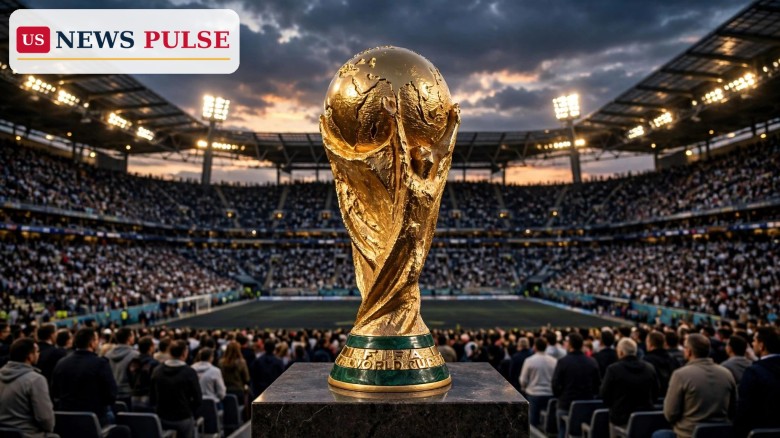
New York — Leaked documents reviewed by The Associated Press have exposed the full scale of FIFA president Gianni Infantino's failed $20 billion plan to sell stakes in the World Cup's commercial rights for 96 years to the firm of Joshua Kushner, the brother of President Donald Trump's son-in-law. The plan was nearing completion in New York on the weekend of the July final, and FIFA's own finance chief was kept in the dark until voting day.
Key Points
- Leaked documents show Infantino's plan to sell World Cup rights for 96 years via a $20 billion subsidiary, FIFA Forward Enterprises.
- Anchor investor Thrive Capital was founded by Joshua Kushner; FIFA first talked to Jared Kushner's Affinity Partners and held no tender.
- Executives stood to share up to 5% of the equity; Thrive was owed a $250 million break fee if FIFA walked away.
- Finance chief Thomas Peyer was kept in the dark until voting day, the documents show.
- Infantino withdrew it within days after UEFA threatened a boycott; he now faces his first election challenge since 2016.
What Happened
First reported on Monday by the New York Post and also obtained by The Guardian and The Athletic, the documents were reviewed on Tuesday, November 24, 2026, by The Associated Press, which reported the full scale of a deal known only in outline since The Times revealed it nine days after the final.
At the centre was FIFA Forward Enterprises, a for-profit subsidiary valued at $20 billion that would have held all commercial rights to FIFA events in rolling 12-year licences for up to 96 years. FIFA would have kept 51%. Thrive Capital, founded by Joshua Kushner, was the anchor investor, and a July 17 Thrive document set out a "Backstop Letter and Transaction Terms" for the plan, codenamed "Project Box".
The deal was nearing completion in New York on the weekend of the July 19 final, Argentina versus Spain. Then UEFA threatened a boycott, and CONCACAF and the Asian Football Confederation objected. Infantino withdrew it within days, on July 31 or August 1, in the biggest crisis of his presidency.
Background: A Non-Profit and Its Crown Jewel
FIFA is a Switzerland-based non-profit owned, in effect, by its 211 member federations, and the World Cup is its crown jewel. The tournament's commercial rights — broadcast, sponsorship and licensing — fund almost everything FIFA does. Selling a stake in those rights for nearly a century would have set the terms for four generations of tournaments.
That is what makes the 96-year term so striking. FIFA's own in-house risk assessment, dated July 17, spelled it out: "This deal provides for Fifa to create a for-profit subsidiary which would have all the commercial rights for FIFA events transferred to it for commercial exploitation for the next 96 years." The assessment also showed FIFA's finance officials "were not directly privy to the construction of this transaction", and finance chief Thomas Peyer was kept in the dark until voting day. JPMorgan advised FIFA and helped set the $20 billion price; FIFA was to put in $1.5 billion of working capital, with a stock-market float possible after eight years.
The Infantino World Cup Plan: What the Documents Show
The documents lay out a deal built for the people running it as well as the investor. An incentive plan would have given the subsidiary's executives up to 5% of the equity, worth up to $50 million for every $1 billion added above the $20 billion valuation. Thrive was owed a $250 million break fee if FIFA breached the deal, and the board was to be chaired by the sitting FIFA president — Infantino himself.
There was also no competitive tender. FIFA first talked to Affinity Partners, the firm of Jared Kushner, President Trump's son-in-law, before settling on his younger brother Joshua's Thrive Capital as anchor investor. One document explained why no tender was held, citing "the specific and unique nature of the proposed investment". The plan reignited concerns in Europe and Japan about Infantino's leadership style and his ties to President Trump, including FIFA's peace prize and the waiving of a mandatory one-game World Cup ban for United States forward Folarin Balogun. See how Kozo Tashima is challenging Infantino for the FIFA presidency.
Reactions
FIFA said the project had repeatedly been described as a proposal needing approval by its 211 member federations, and its leadership "would only have had leading roles in the board, which would not have led to any additional remuneration". On the management incentive plan, FIFA said: "This is customary for proposed structures of this nature."
That defence has not satisfied critics. UEFA's boycott threat was decisive, and the objections from CONCACAF and the Asian confederation united FIFA's own regional bodies against the plan. The leak also lands mid-race: Infantino faces his first election challenge since 2016, from Philippe Diallo and Kozo Tashima, ahead of a March 18 vote in Morocco.
Why It Matters
The World Cup is not just a tournament; it is the financial foundation of world football. A 96-year deal would have bound FIFA's successors and the federations that depend on its grants to terms negotiated in secret in 2026. The documents show the people who would have benefited most — executives in line for equity worth tens of millions — were the same people deciding whether the deal went ahead.
There is also a clear American angle. The 2026 World Cup was played in the United States, Mexico and Canada, the US is set to host the Copa America in 2028, and a US-led bid has won the 2031 Women's World Cup. The investor at the centre of the plan is the brother of the president's son-in-law, and the deal was being finalised in New York. See how FIFA awarded the 2031 Women's World Cup to a US-led bid and how the US will host the Copa America in 2028.
What Happens Next
The March 18 vote in Morocco is where the plan will be judged. Diallo and Tashima will campaign on the documents as the 211 federations decide whether Infantino's leadership survives the biggest crisis of his presidency. The plan is dead, withdrawn in the summer, but its paper trail — the July 17 risk assessment, the backstop letter, the incentive plan — is now public and will shape the campaign.
Frequently Asked Questions
What was Infantino's $20 billion World Cup plan?
FIFA Forward Enterprises, a $20 billion subsidiary holding all FIFA commercial rights for up to 96 years, with Thrive Capital as anchor investor and FIFA keeping 51%.
Who is Joshua Kushner?
Thrive Capital's founder and the younger brother of Jared Kushner, President Donald Trump's son-in-law. FIFA first talked to Jared Kushner's Affinity Partners.
Why was the plan scrapped?
The Times revealed it nine days after the July 19 final; Infantino withdrew it days later after UEFA's boycott threat.
What is FIFA Forward Enterprises?
The planned for-profit subsidiary that would have held FIFA's commercial rights in rolling 12-year licences for up to 96 years, with a possible float after eight years.
What happens at the March 18 election?
The 211 federations vote in Morocco; Infantino faces his first challenge since 2016, from Philippe Diallo and Kozo Tashima.

The US News Pulse newsroom covers breaking news across the United States and the world, working from wire services, official statements and on-the-record sources. Every story is reviewed against our editorial standards before publication. Corrections and tips: info@usnewspulse.com
About our newsroomLeave a Comment