

 | Today's Date:





FinCEN Cyberattack Forces Treasury Bureau Offline, Extends Bank Filing Deadlines
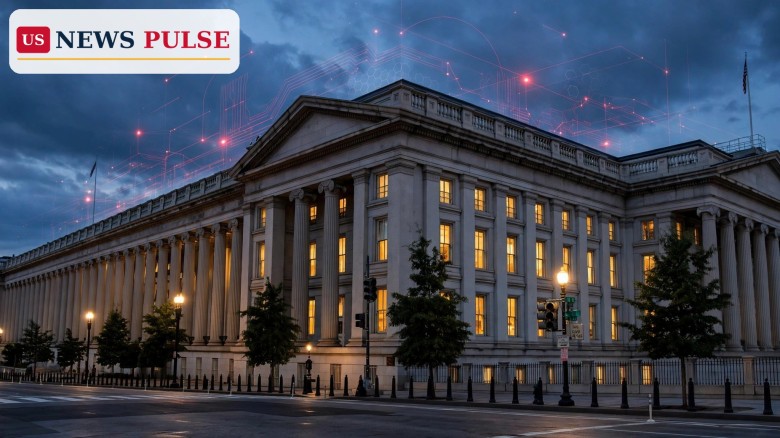
The US Financial Crimes Enforcement Network (FinCEN) disclosed on Tuesday, November 24, 2026, that it is investigating a cybersecurity incident involving unauthorised access to a "limited subset of its systems", and has taken some of those systems offline as a precaution. FinCEN, the Treasury bureau that collects banks' suspicious activity reports, has not said when the breach happened, who was behind it, which systems were reached, or whether any information was stolen. The disclosure came hours after reports of a separate breach at the CIA and the Office of the Director of National Intelligence.
Key Points
- FinCEN said on November 24 it is investigating unauthorised access to a "limited subset of its systems" and took some systems offline.
- It has not said when the breach occurred, who was responsible, which systems were accessed, or whether data was stolen.
- The Bank Secrecy Act E-Filing site still works and the Financial Institutions Hotline (1-866-556-3974) is unaffected.
- Order FIN-2026-R002 extends deadlines for reports due November 18 to December 29 to December 30, 2026.
- The disclosure came hours after a reported breach of an unclassified CIA and ODNI system; no link has been established.
What Happened
In a service alert issued on Tuesday, FinCEN said it was investigating the incident and had taken certain systems offline as a precaution. The bureau described the intrusion only as unauthorised access to a limited subset of its systems, and gave no timeline for when the access began or was discovered. It has not disclosed what data was affected.
FinCEN said banks can still submit suspicious activity reports online, although some services may be temporarily unavailable, and the Financial Institutions Hotline, which lets institutions urgently share suspicious activity information with law enforcement, has not been affected. Separately, Order FIN-2026-R002 gives institutions using the Secure Data Transfer Mode, an automated batch-filing system, until December 30, 2026 to submit reports due between November 18 and December 29. The extension also covers certain beneficial ownership reports. It does not suspend anti-money laundering obligations, and FinCEN has not stated that the filing-system disruption was caused by the cyber incident.
Background and Context
FinCEN sits at the centre of the US fight against money laundering, terrorist financing and other financial crime. Under the Bank Secrecy Act, banks file suspicious activity reports on transactions that could involve illicit activity, and FinCEN analyses the information and shares intelligence with law enforcement. It also administers beneficial ownership reporting, holding records of who really owns American companies. That makes it an unusually sensitive target: its databases hold banks' suspicions about their customers and the identities of the people behind shell companies. In 2026 it cut crypto exchange MEXC off from the US financial system and flagged more than $8 billion in suspicious wire payments.
The disclosure adds to a run of reported incidents across the US government. Hours earlier, the New York Times reported that the CIA and the Office of the Director of National Intelligence had found an intrusion in an open-source intelligence system, exposing some unclassified information. The FBI's crime database was reportedly hacked, the Agriculture Department reported an incident that took its payments system offline, and the National Security Agency's classified network was offline for several days. Officials had described the recent outages as separate and unrelated, and no public account has established a link between them.
FinCEN Cyberattack: What We Know and What Remains Unknown
What is known is limited: FinCEN has confirmed unauthorised access to a limited subset of its systems, has taken some systems offline, has kept its filing channel and hotline running, and has given affected filers until December 30. What remains unknown is almost everything else: when the intrusion began, who was behind it, which systems were reached, and whether any data left the bureau. The bureau has not said whether suspicious activity reports or beneficial ownership records were touched. The filing relief is itself a clue: FinCEN does not extend Bank Secrecy Act deadlines lightly, though it has been careful not to say the filing disruption was caused by the cyber incident.
Reactions and Statements
FinCEN's own public language has been spare. Its service alert described the incident as unauthorised access to a "limited subset of its systems", and the bureau has not commented further on the scope of the intrusion or on who might be responsible. On the separate intelligence-agency breach, an Office of the Director of National Intelligence official said there had been "no disruptions to critical capabilities or classified systems", while acknowledging the full extent of the exposure remains unclear and the attacker has not been identified.
Director of National Intelligence Jay Clayton linked the National Security Agency's classified-network outage to software patching rather than a cyberattack, a distinction that has not stopped questions about so many incidents at once. The FBI is investigating the reported hack of its National Crime Information Centre but has not said publicly what was taken.
Why It Matters
A breach at FinCEN is different from a breach at most government agencies because of what the bureau holds. Suspicious activity reports are the starting point for money-laundering and terrorist-financing cases, containing banks' candid assessments of their customers. If that material were exposed, it could tip off the subjects of investigations, embarrass institutions that filed in confidence, and chill the reporting the system depends on.
The timing also matters. The incident arrives amid a cluster of reported intrusions and outages across the intelligence community, the FBI, the Agriculture Department and now the Treasury. The filing extension shows the disruption is already real enough to change deadlines for thousands of institutions.
What Happens Next
FinCEN's investigation is now the central question. The bureau will need to establish when the intrusion began, which systems were reached, whether any data was taken and who was responsible, and then decide how much of that to disclose. Banks will watch for updates on the Secure Data Transfer Mode and for whether the December 30 deadline is extended again. Congressional oversight is likely to follow. For now, the filing system remains open, the hotline is staffed, and the institutions that feed FinCEN its intelligence are expected to keep filing.
Frequently Asked Questions
What is FinCEN? A Treasury bureau that collects banks' suspicious activity reports, analyses financial intelligence and shares it with law enforcement.
What happened in the FinCEN cyberattack? FinCEN said on November 24 it is investigating unauthorised access to a limited subset of its systems. It has not named a culprit or said whether data was stolen.
Was my bank information stolen? FinCEN has not said what data was affected, and there is no public evidence that individual customers' data was taken.
Do banks still have to file reports? Yes. E-Filing still works; the relief only extends deadlines for institutions using the Secure Data Transfer Mode.
Is the FinCEN breach linked to the CIA breach? No link has been established, though officials have called the recent incidents separate and unrelated.
Read more: CIA cyber breach exposes unclassified intelligence data at ODNI, NYT reports | FinCEN flags $8 billion in suspicious wire payments through US money firms | Treasury sanctions MEXC and eight Canadian firms over Iran money flows

The US News Pulse newsroom covers breaking news across the United States and the world, working from wire services, official statements and on-the-record sources. Every story is reviewed against our editorial standards before publication. Corrections and tips: info@usnewspulse.com
About our newsroomLeave a Comment