


 | Today's Date:



Brooklyn Collapse Developer Sought Nine-Storey Tower on Three-Storey Approval - US News Pulse
New York City officials are examining whether a developer's plan to build far taller than the city had approved played a part in the collapse of a 96-year-old Brooklyn apartment building that killed eight people. Records show the project beside the fallen building was approved as three storeys while the developer had long planned nine, reported by The New York Times on Saturday.
Key Points
- The city signed off in March 2026 on a three-storey, eight-unit project at 2625 Bedford Avenue, but filings since November 2025 show the developer intended a nine-storey building with 64 apartments, a 9,000-square-foot community space and a grocery store.
- Because the approved project was only three storeys, city rules requiring a site safety coordinator for projects over seven storeys were never triggered, and no coordinator was listed.
- Buildings Commissioner Ahmed Tigani said Friday the nine-storey plan "is something they seek, not what they have approval for."
- The developer is a limited-liability company tied to investor Robert Fischman, excavating the Bedford Avenue site when the building at 1321 Flatbush Avenue collapsed on November 11, killing eight and injuring 18.
- The developer already faced a March stop-work order, a $10,000 fine and a finding that demolition continued despite the order. The Brooklyn District Attorney has opened a criminal inquiry.
What Happened
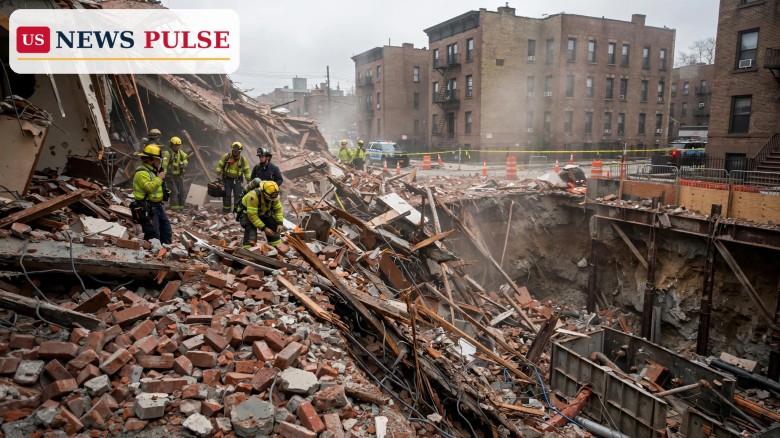
The building at 1321 Flatbush Avenue, more than 96 years old, collapsed just after 4 p.m. on Wednesday, November 11, 2026, falling into an open excavation pit at the construction site next door. Eight people were killed, six adults and two children, and 18 more were injured. Firefighters worked through the night before the Fire Department ended rescue operations on Thursday afternoon.
The New York Times reported on Saturday, November 14, that city officials are examining whether the developer's desire to build taller factored in the collapse. The excavation the building fell into was being dug for a project approved at a far smaller size than the developer intended. The Buildings Department signed off in March 2026 on a three-storey, eight-unit project, but filings show the developer had intended since November 2025 to build nine storeys with 64 apartments, a community space and a grocery store. Permits issued in September allowed excavation to 14 feet.
Background and Context
The collapse was the deadliest building failure in New York in years. It happened in a crowded residential corner of Flatbush, where the fallen building stood beside an active construction site. The building dated back to about 1930 and held four apartments. Among the eight killed were two child cousins, aged nine and ten.
The developer is a limited-liability company tied to real estate investor Robert Fischman. In March, the city issued a stop-work order after demolition went ahead without proper overhead protection. In April, an inspection found demolition had continued in violation of the order. The developer was fined $10,000, and the order was lifted on May 8. The Buildings Department has identified five entities involved in the site and is sweeping about 100 other properties tied to them, Mayor Zohran Mamdani said.
Brooklyn Building Collapse Developer and the Nine-Storey Plan
The heart of the finding is a gap in the city's safety rules. New York requires a site safety coordinator, a licensed professional who watches construction safety day by day, for projects over seven storeys. Because the approved project was only three storeys, that requirement was never triggered, and no coordinator was listed in the filings.
Building experts who reviewed the plans for The New York Times said the missing coordinator followed directly from the approved size. A nine-storey project would have faced stricter oversight from the start. A three-storey project faces far lighter supervision, even when the developer's real ambition is much bigger. Commissioner Tigani drew the line plainly on Friday, November 13: "We have approved plans for a three-story building... The nine-story plan is something they seek, not what they have approval for." Investigators must now decide whether the excavation was carried out for the taller building rather than the smaller one the city had approved.
Reactions and Quotes
Tigani's remarks were the clearest official statement yet that the taller plan had no approval behind it. They are now the central fact of the investigation: the city knew the developer wanted more than it had been given, yet signed off only on the smaller project.
Mayor Zohran Mamdani has ordered the Buildings Department to sweep about 100 other sites tied to the five entities behind the Bedford Avenue project. The Brooklyn District Attorney's Office has opened a criminal inquiry, and the cause remains under investigation. No charges have been announced. Residents nearby have spent days asking how a building that stood nearly a century could fall beside a construction site.
Why It Matters
The finding points to a loophole that could exist at construction sites across the city. If a developer can win approval for a small project, work under the lighter safety rules that come with it, and still plan a far larger building, the safeguards meant to protect neighbours and workers may never start.
It also matters because eight people are dead, including two children, and their families deserve a full answer. If the excavation followed the nine-storey plan rather than the approved three-storey one, it would raise serious questions about how the city monitors what developers actually do on site, not just what they file on paper.
What Happens Next
The Brooklyn District Attorney's criminal inquiry continues alongside the Buildings Department's investigation into the cause. Officials have given no timeline, and no charges have been filed. The sweep of about 100 other properties tied to the same five entities is under way, and its results could lead to further enforcement. Whether the excavation followed the approved three-storey plans or the taller plan could determine whether the case becomes a criminal prosecution, a regulatory action, or both.
Frequently Asked Questions
What did the developer want to build in Brooklyn?
Filings show the developer intended a nine-storey building with 64 apartments, a community space and a grocery store at 2625 Bedford Avenue, but the city approved only a three-storey, eight-unit project.
Why was there no site safety coordinator at the site?
New York requires a site safety coordinator for projects over seven storeys. Because the approved project was only three storeys, the rule was not triggered, and no coordinator was listed in the filings.
How many people died in the Brooklyn building collapse?
Eight people were killed, six adults and two children, and 18 were injured when the building at 1321 Flatbush Avenue collapsed on Wednesday, November 11, 2026.
Who is the developer behind the Bedford Avenue site?
The developer is a limited-liability company tied to investor Robert Fischman, excavating the site next door when the neighbouring building collapsed.
Is there a criminal investigation into the collapse?
Yes. The Brooklyn District Attorney's Office has opened a criminal inquiry, and the Buildings Department is also investigating the cause. No charges have been announced.
Related coverage: Brooklyn Building Collapse Kills 2, Injures 17 in Flatbush as FDNY Searches Rubble, Brooklyn Collapse Death Toll Rises to 8 as FDNY Search Continues, FDNY Ends Brooklyn Building Collapse Rescue as 8 Dead Are Named.
Leave a Comment