

 | Today's Date:


Saudi Arabia Intercepts Houthi Drones Targeting Mecca and Medina on Sunday
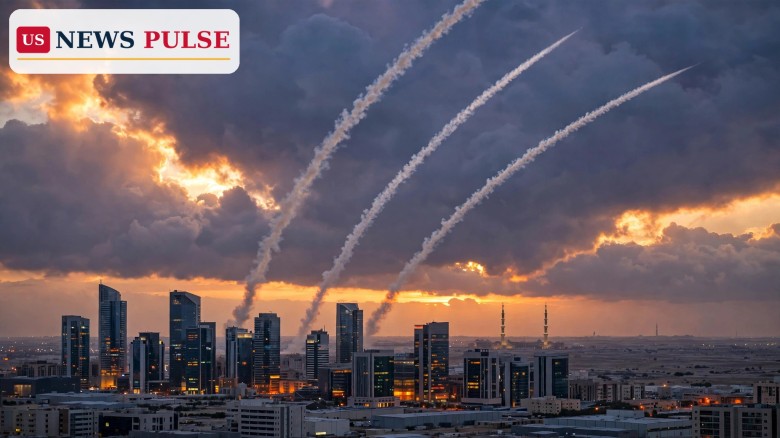
Saudi Arabia's air defences intercepted Houthi drones targeting Mecca and Medina on Sunday, November 15, 2026, destroying six drones and two ballistic missiles in a day of attacks on Islam's two holiest cities, the capital Riyadh and the Eastern Province, the Saudi-led coalition said. It was the first time the Houthis have been accused of targeting both holy cities on the same day, and it came hours after Iran claimed a separate drone attack on a United States military radar base in neighbouring Bahrain. No casualties or damage were reported in Saudi Arabia.
Key Points
- The Saudi-led coalition said it destroyed six drones and two ballistic missiles launched by Yemen's Houthis on Sunday, November 15, 2026.
- Two drones were aimed at the Mecca region and two at Medina; two missiles were aimed at Riyadh and the rest of the drones at the Eastern Province.
- Houthi spokesman Yahya Saree denied the holy-city attacks, calling the coalition's account a "lie".
- No casualties or damage were reported; Saudi authorities said every weapon was destroyed in the air.
- The wave follows weeks of escalating Houthi attacks on Saudi targets, including Riyadh, the East-West pipeline and the Aramco Tower.
What Happened
The attacks unfolded across Sunday, with the coalition announcing each interception as it happened. Al-Malki said on X that defences had "intercepted and destroyed two drones in the Mecca region that were launched by the terrorist Houthi militia", according to Al Arabiya. Hours later he reported a drone intercepted in the Medina region, then a second one. Earlier in the day, the coalition said two ballistic missiles aimed at Riyadh and drones aimed at the Eastern Province had also been destroyed, bringing the total to six drones and two missiles, Gulf News reported.
Mecca is home to the Grand Mosque and the Kaaba, and Medina to the Prophet's Mosque, the two holiest sites in Islam, visited by millions of pilgrims each year. The coalition gave no detail on where the four drones were brought down or which systems were used, and reported no debris falling on either city.
Background and Context
It was the latest in a sharp escalation this month. On November 6 the coalition downed a drone headed for the Najran and Mecca areas; on November 7 it intercepted missiles aimed at Riyadh; on November 8 debris from an intercepted attack damaged the Aramco Tower; and on November 9 the East-West pipeline was attacked in the Madinah region, starting a limited fire that was put out without injuries or disruption to oil flows, as US News Pulse reported. On November 10 and 11 the coalition downed missiles aimed at Riyadh and drones aimed at Mecca, as covered earlier, and on November 13 it intercepted two more drones.
The Houthis, an Iran-backed movement controlling much of Yemen, have fought the Saudi-led coalition since 2015, and their attacks have intensified since the United States-Iran war began on February 28, 2026. Hours before the Mecca and Medina announcements, Iran claimed six drones had struck a United States radar base at Al-Riffa in Bahrain; Bahrain said its defences intercepted the attack, and Washington has not confirmed the claim, as reported earlier.
Houthi Drones Targeting Mecca and Medina Raise the Stakes
Drones aimed at Mecca and Medina carry a weight no other Saudi target does. The two cities are sacred to nearly two billion Muslims, and a strike on either would be felt far beyond the kingdom. That is why the coalition's announcements drew such attention, and why the Houthi denial was so emphatic: the group presents its campaign as aimed at military and economic targets, and being blamed for threatening the holy cities is a political liability even for a movement little concerned with outside opinion.
One question remains unresolved. Al Jazeera noted the Houthis had earlier reported targeting the East-West pipeline, which passes through the Medina region, with two drones, and it is not confirmed whether that and the Medina interceptions were the same incident. If the Medina drones were aimed at the pipeline rather than the city, the day looks less like a strike on a holy city and more like the latest round of an energy war.
Reactions and Quotes
Al-Malki announced the interceptions in posts on X, where the coalition now routinely reports air defence activity. Of the Mecca drones, he said the coalition had "intercepted and destroyed two drones in the Mecca region that were launched by the terrorist Houthi militia". His later posts reported the Medina interceptions in the same terms, without naming launch sites or systems used.
Saree rejected the coalition's version outright, calling it a "lie", and said Houthi operations targeted Saudi oil facilities and military bases. The Houthis have denied targeting Mecca before, including after the November 11 interceptions, while claiming pipeline strikes Saudi Arabia has not confirmed.
Why It Matters
The attacks matter first because of where they were aimed. A successful strike on Mecca or Medina would shock the Muslim world and humiliate a Saudi government that presents itself as guardian of the holy sites. That the drones were stopped does not remove the risk; it shows how much now depends on air defences working perfectly, every time.
They matter second because the Houthi campaign is now a main front of the United States-Iran war, alongside the strikes on Bahrain and the fighting around Bab el-Mandeb. And they matter for energy and trade: the East-West pipeline, Red Sea shipping lanes and Eastern Province oil facilities are all in the same campaign, and each attack adds to the risk premium on oil and shipping after nine months of war.
What Happens Next
The coalition has typically answered Houthi attacks with airstrikes on Houthi positions in Yemen, and Saudi strikes on Sanaa were reported after earlier attacks this month, so a response in the coming days is likely. The Houthis show no sign of pausing. Diplomats will watch whether the holy-city attacks change calculations in Riyadh, Washington or Tehran, and whether the Houthis try again. For now, the coalition's message is that its defences held. The next attack will test that claim again.
Frequently Asked Questions
What happened on Sunday, November 15?
Saudi defences intercepted six Houthi drones and two ballistic missiles: two drones aimed at Mecca, two at Medina, two missiles at Riyadh, and the rest at the Eastern Province.
Were Mecca or Medina hit?
No. The coalition said all four drones were intercepted and destroyed, with no casualties or damage in either city.
Who are the Houthis?
An Iran-backed movement controlling much of Yemen, fighting the Saudi-led coalition since 2015; its attacks on Saudi Arabia have intensified since the United States-Iran war began in February 2026.
Have they targeted the holy cities before?
The coalition has accused them before: two drones aimed at Mecca on November 11, and one headed for the Najran and Mecca areas on November 6. The Houthis denied both.
What did the Houthis say?
Spokesman Yahya Saree called the coalition's account a "lie" and said Houthi operations targeted Saudi oil facilities and military bases.

The US News Pulse newsroom covers breaking news across the United States and the world, working from wire services, official statements and on-the-record sources. Every story is reviewed against our editorial standards before publication. Corrections and tips: info@usnewspulse.com
About our newsroomLeave a Comment