

 | Today's Date:




Supertanker Sinks in Strait of Hormuz With 2 Million Barrels of Oil Aboard
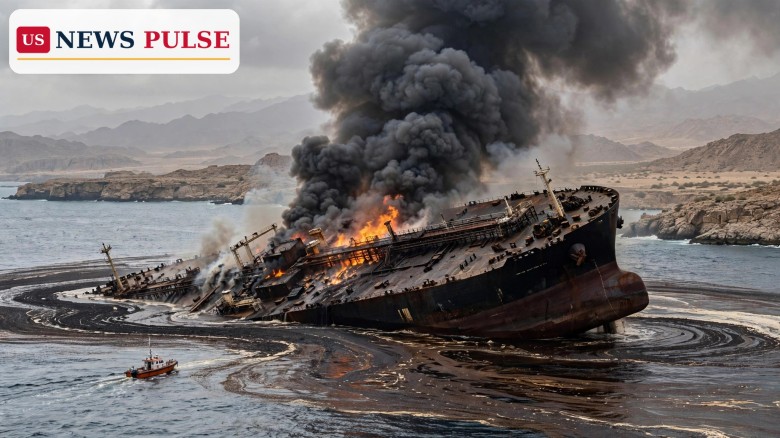
A supertanker carrying more than 2 million barrels of crude oil sank in the Strait of Hormuz on Sunday after striking a naval mine and catching fire, Iran's Revolutionary Guards said, in the first reported sinking of the mine campaign in the world's most important oil waterway.
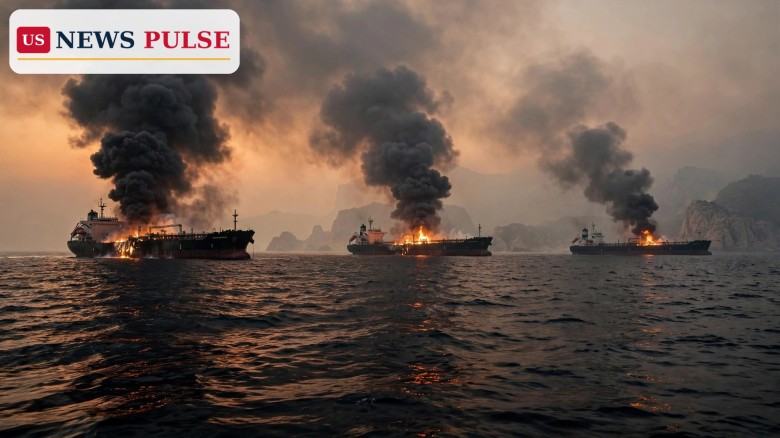
The vessel went down in the southern part of the strait after hitting a mine on what Iran called an "unauthorised route", the Islamic Revolutionary Guard Corps (IRGC) Navy said in a statement carried by Iranian state television. It was one of two tankers that struck mines "in the past few hours", the statement said, triggering massive explosions and fires aboard both ships.
The claim has not been independently verified, and the Guards did not name either vessel or disclose their flag or country of origin. Britain's maritime trade body said the crew were safe, but the scale of the damage and any environmental impact remained unknown.
Key Points
- A supertanker carrying more than 2 million barrels of crude oil sank in the Strait of Hormuz on Sunday, November 15, after hitting a naval mine, according to Iran's Revolutionary Guards.
- A second tanker also struck a mine in the southern part of the strait, with the IRGC reporting massive explosions and fires on both vessels.
- The Guards said the tankers used an "unauthorised route" with navigation systems switched off, and accused them of trying to cross undetected with US military support.
- Britain's UK Maritime Trade Operations centre said the crew were safe, with damage and environmental impact still unknown.
- Neither vessel has been named, and the Iranian claim has not been independently verified.
What Happened
The IRGC Navy said the supertanker sank after striking a mine and catching fire in the southern part of the strait, a channel Iran considers off-limits to shipping. Iranian state television said a second tanker hit a mine in the same area within hours, and both vessels were left burning after what the Guards described as massive explosions.
According to the Guards, the two ships had switched off their navigation systems and were trying to cross undetected, with US military support. Britain's UK Maritime Trade Operations (UKMTO) centre said the crew were safe, but gave no details about the vessels. UKMTO separately reported another tanker attack in the Gulf, based on information from Indian shipping authorities.
Background: A Strait Turned Into a Minefield
The sinking is the latest in a string of mine strikes since the war between the United States and Iran began on February 28, 2026, now in its ninth month. Two tankers exploded after hitting mines on November 1, three more caught fire on November 8, and three tankers were reported hit on November 14. Until Sunday, the incidents had left vessels burning and immobilised. None had been reported sunk.
The strait, a narrow passage between Iran and Oman, carries about a fifth of the world's seaborne oil. The United States has said its forces cleared the strait's main transit routes of Iranian sea mines, the US Central Command chief said on October 30. Iran dismissed that claim and insists the waterway remains dangerous. Oil prices have swung with each incident, with Brent crude above $106 a barrel earlier in November.
Supertanker Sinks in Strait of Hormuz: What We Know So Far
What is known is stark: a supertanker loaded with more than 2 million barrels of crude is reported to have gone down after a mine strike and fire. A second tanker was hit in the same area on the same day. The crew are reported safe, and no casualties have been announced.
Much remains unknown. Iran has not named either vessel, given their flags, owners or destinations, or said where exactly in the strait the strikes happened. It is not clear whether the second tanker sank or is still burning, nor how much oil has spilled. Until a vessel is identified, the sinking remains an Iranian claim, not an established fact.
Reactions and Quotes
The IRGC used its statement to warn shipowners and crews against entering the area or relying on American assurances that the strait had been secured. The warning echoes weeks of Iranian messaging that the southern channel is mined and that vessels using it are on their own.
The incident came on the same day Iran's deputy foreign minister, Kazem Gharibabadi, said Tehran "will not wait for the US to attack first", accusing Washington of using diplomacy to buy time to prepare another attack. Washington has struck a different note: Vice President JD Vance said on November 2 that the United States had made "progress" in talks with Iran and set "no strict deadline" for a deal, while President Donald Trump said a deal was "coming together very nicely".
Why It Matters
A sinking changes the stakes. Fires and explosions damage ships and frighten markets; a supertanker going down with 2 million barrels of crude aboard raises the prospect of a major oil spill, a wreck blocking a shipping lane, and a sharp rise in insurance costs for every vessel that still uses the strait.
It also tests Washington's claim that the strait is safe. The United States has said its forces swept the main transit routes clear of mines. A sinking in the southern channel underlines how much of the waterway remains contested. A third US aircraft carrier, the USS Theodore Roosevelt, arrived in the Middle East on Sunday.
What Happens Next
Verification comes first. Shipping databases, satellite images and insurance reports should soon establish whether a vessel has indeed gone down, and if so, which one. The fate of the second tanker and the size of any oil spill will shape the response.
Oil traders will watch Monday's open for the market's verdict; previous Hormuz incidents have pushed Brent higher within hours. The United States has not yet commented on the sinking claim, and Iran has given no sign of releasing the vessels' identities.
Frequently Asked Questions
Did anyone die in the sinking?
No casualties have been reported. Britain's UK Maritime Trade Operations centre said the crew were safe.
Which ships were involved?
Neither vessel has been named. Iran's Revolutionary Guards did not disclose the tankers' names, flags, owners or countries of origin, and the claim has not been independently verified.
How much oil was on board?
The supertanker was carrying more than 2 million barrels of crude oil, according to the IRGC statement. The cargo of the second tanker has not been disclosed.
Is the Strait of Hormuz closed?
No closure has been announced. The strait remains open, but Iran has warned shipowners against entering the area.
Read more on US News Pulse: Iran Warns It Will Not Wait for a US Strike First as Tehran Says War Continues, Three Tankers Catch Fire in Strait of Hormuz After Hitting Mines, Iran Says and Two Hormuz Tankers Explode After Hitting Mines as Trump Says Iran War Will End Soon.

The US News Pulse newsroom covers breaking news across the United States and the world, working from wire services, official statements and on-the-record sources. Every story is reviewed against our editorial standards before publication. Corrections and tips: info@usnewspulse.com
About our newsroomLeave a Comment