

 | Today's Date:




Supreme Court Rejects Trump Appeal Over $59 Million DEI Research Grant Cuts
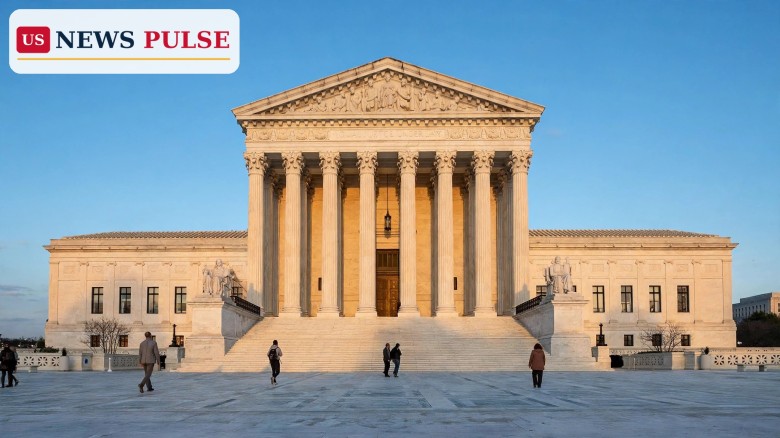
The US Supreme Court declined on Monday, November 16, 2026, to hear the Trump administration's appeal defending its cuts to about $59 million in diversity-related research grants, leaving in place a lower-court ruling that preserved the funding for researchers in the University of California system. The Supreme Court DEI grants decision is a rare defeat for the administration's crackdown on diversity, equity and inclusion programmes.
Key Points
- The Supreme Court declined on Monday to hear the appeal, so the ruling preserving about $59 million in DEI-related grants stands.
- The grants support University of California researchers and were cut after President Donald Trump signed executive orders in January 2025 targeting DEI and "gender ideology".
- The National Science Foundation and the National Endowment for the Humanities cut off the grants; researchers sued in 2025, saying the cuts punished the viewpoint of their work.
- US District Judge Rita Lin halted the terminations, finding the researchers were likely to win their First Amendment claim, and the 9th Circuit upheld that part of her ruling.
- The court had allowed sweeping NIH grant cuts to proceed in August 2025, but that ruling rested on procedural grounds, not the First Amendment.
What Happened
The Supreme Court turned away the administration's appeal on Monday, refusing to review the lower courts' decision against the grant cuts. By declining to hear the case, the justices left the lower-court ruling in force without ruling on the merits themselves.
The roughly $59 million in grants to University of California researchers therefore stays in place. The funding supports projects that include efforts to foster discussion about racial equity in science education and to expand science education opportunities for Indigenous youth, according to court papers.
Background and Context
The dispute began in January 2025, when Trump signed executive orders targeting diversity, equity and inclusion initiatives and "gender ideology" across the federal government, as part of a wider effort to reshape the government and end support for diversity programmes. Acting on those orders, the National Science Foundation and the National Endowment for the Humanities cut off grants for researchers in the University of California system, one of the world's leading public research entities.
In 2025 the researchers filed a class-action lawsuit, accusing the administration of violating their First Amendment rights through discriminatory funding cuts based on the content and viewpoint of their research. They argued that withdrawing funding because of the ideas in their work crossed the First Amendment's protection of free speech. Read our report on 30 elite universities accused of dodging the affirmative action ban in a DOJ complaint, another front in the fight over diversity in American education.
What the Supreme Court DEI Grants Decision Means
At its core, the case asks whether the government can cut research funding because it dislikes the ideas in the research. The researchers say no: once the government funds a field of study, it cannot single out projects for termination because of their viewpoint. The administration has argued the opposite, saying the government has broad discretion to decide what research it will fund, including ending support for projects that conflict with its policy agenda.
So far the courts have sided with the researchers. Judge Lin found they were likely to win their claim that the cuts amounted to unconstitutional viewpoint discrimination, and the 9th Circuit agreed. The outcome contrasts with an earlier ruling: in August 2025 the Supreme Court allowed Trump to proceed with sweeping cuts to National Institutes of Health grants for research related to racial minorities or LGBT people, but that ruling rested on procedural grounds, not the First Amendment. Read our report on Trump asking the Supreme Court to curb nationwide rulings on agency rules, another case testing the limits of presidential power.
Reactions and Quotes
The administration's position has been that funding decisions belong to the government. It has argued that it has broad discretion to decide what research it will fund, including ending financial support for projects that conflict with its policy agenda.
The researchers have framed the cuts very differently. Their lawsuit accuses the administration of violating their First Amendment rights through discriminatory funding cuts based on the content and viewpoint of their research. In their account, the grants were not cut because the science was weak, but because the topics, including racial equity and Indigenous education, fell foul of the administration's campaign against DEI. Judge Lin's ruling gave their argument early weight: she halted the terminations after finding the researchers were likely to win their claim that the cuts amounted to unconstitutional viewpoint discrimination.
The Supreme Court gave no reasons for declining the case on Monday, which is its usual practice when it turns away an appeal, so the justices have not endorsed either side's view of the First Amendment question. The court has a 6-3 conservative majority and has generally been deferential to Trump's use of executive authority. Read our report on the Supreme Court deciding the fate of Trump's asylum ban at the US-Mexico border, another major test of his executive power.
Why It Matters
The decision protects, for now, about $59 million in research funding and the projects behind it, including efforts to bring Indigenous young people into science education. If the cuts had gone ahead, that work would have stopped and the researchers would have lost their funding mid-project.
Beyond the money, the case tests how far the administration's DEI crackdown can reach. The government funds an enormous share of American science, and the power to withdraw that funding on viewpoint grounds would give any administration a sweeping tool to shape what researchers study. Two lower courts have said that power has constitutional limits, and the Supreme Court has declined to disturb that view.
What Happens Next
The lawsuit continues in the lower courts. Judge Lin's ruling was preliminary, based on her finding that the researchers were likely to win, so the case will now proceed toward a fuller decision on whether the cuts violated the First Amendment, and the grants remain protected meanwhile. For the University of California researchers, Monday's decision brings certainty for now: their funding survives, and both courts that heard their case backed them.
Frequently Asked Questions
What did the Supreme Court decide on Monday? It declined to hear the Trump administration's appeal against its cuts to about $59 million in diversity-related research grants; the ruling stands and the grants stay in place.
How much money is involved? About $59 million in federal grants to University of California researchers, cut by the National Science Foundation and the National Endowment for the Humanities.
Why were the grants cut? After President Trump signed executive orders in January 2025 targeting diversity, equity and inclusion initiatives and "gender ideology", the two agencies cut off grants for projects in that area.
What did the lower courts rule? Judge Rita Lin halted the terminations, finding the researchers were likely to win their claim of unconstitutional viewpoint discrimination. The 9th Circuit upheld that part of her ruling.
Does this end the case? No. The lawsuit continues in the lower courts, where a fuller decision on the First Amendment question is still to come.

The US News Pulse newsroom covers breaking news across the United States and the world, working from wire services, official statements and on-the-record sources. Every story is reviewed against our editorial standards before publication. Corrections and tips: info@usnewspulse.com
About our newsroomLeave a Comment