


 | Today's Date:





Fed Says AI Is Now the Top Risk to US Financial Stability as Debt Hits $680 Billion
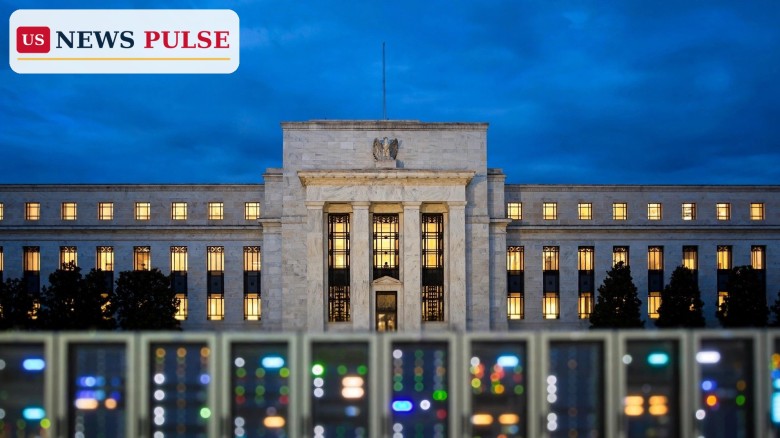
Artificial intelligence is now the single biggest risk to the stability of the American financial system, the Federal Reserve has warned, as borrowing to build the technology's vast data-centre infrastructure surges to record levels. In its Financial Stability Report, released on Friday, November 13, 2026, the central bank said 87% of the market contacts it surveyed named AI as a salient risk, up from just 50% in May.
Key Points
- The Federal Reserve's Financial Stability Report, released on Friday, November 13, 2026, names AI-related risks as the top-cited concern for US financial stability.
- 87% of survey contacts cited AI as a salient risk, up from 50% in May, citing cyberattacks, complex AI financing and an earnings slowdown that could trigger a correction.
- Debt issuance linked to advanced computing reached $680 billion by October 2026, five times the whole of 2023 and nearly a third of all nonfinancial investment-grade debt issuance.
- Debt, guarantees and not-yet-commenced leases on AI infrastructure could exceed $3 trillion, the Fed warned, with "circular financing" creating vulnerabilities that need close monitoring.
- Hedge-fund leverage, particularly among the largest firms, remains at the highest levels recorded since the Fed began gathering such data in 2013.
What Happened
The Fed publishes its Financial Stability Report twice a year, and the November edition reads very differently from the one in May. In the spring, half of the contacts surveyed saw AI as a risk worth flagging. By the autumn survey that share had jumped to 87%. The survey was completed before Nvidia chief executive Jensen Huang stepped down on Thursday, November 12.
Behind AI, a broad correction in risk assets was the second most-cited concern, named by 52% of contacts. Higher long-term interest rates came next at 48%, followed by cyberattacks at 43% and fiscal debt sustainability, also at 43%. The ordering matters: the Fed's contacts fear a chain of shocks, in which an AI disappointment could set off the market correction they also fear.
Background: The AI Buildout and Its $680 Billion Debt Pile
The scale of the AI buildout explains why the Fed is watching it so closely. Debt issuance linked to advanced computing surged to $680 billion by October 2026, a fivefold increase on the whole of 2023. That borrowing now accounts for nearly a third of all nonfinancial investment-grade corporate debt issuance, up from under 6% just three years ago. The money is paying for data centres, the chips that fill them and the power plants that run them.
The headline figure is only part of the picture. When guarantees and leases signed but not yet started are added in, total exposure tied to AI infrastructure could exceed $3 trillion. Much of that financing flows through complex structures linking data-centre builders, credit markets, private lenders and special-purpose vehicles. The Fed warned that this "circular financing" and the "complex interlinkages" between those players "create vulnerabilities that necessitate close monitoring".
The Fed compared the buildout with the late-1990s broadband telecom cycle, when borrowing to lay fibre-optic cable ended in defaults and bankruptcies, and said the current cycle may soon surpass it in scale.
AI Financial Stability Risk: How the Debt Built Up
The risk, as the Fed frames it, is not that AI itself will fail. It is that the financing behind it has grown faster than the earnings needed to support it. If profits from AI disappoint, or spending slows, the companies that borrowed to build data centres could struggle to service their debts, and the lenders and funds that financed them would feel the strain at the same time.
That concern is already visible in markets. Technology stocks have retreated on doubts about how quickly heavy AI spending will pay off, and the Nasdaq 100 entered correction territory in early November, down 10% from its record highs. The Fed's report gives that market anxiety an official voice.
Reactions and Official Statements
The Fed's own language in the report is measured, but its central warning is direct: "circular financing" and complex interlinkages between data-centre builders, credit markets, private lenders and special-purpose vehicles "create vulnerabilities that necessitate close monitoring". It is the kind of sentence the central bank uses when it wants markets to pay attention without causing a panic.
Why It Matters
A disorderly unwinding of AI-related debt would reach far beyond the technology sector. Pension funds, insurers and ordinary savers hold the corporate bonds and funds that financed the buildout, and a wave of defaults or downgrades would hit retirement savings and insurance portfolios. Banks and private lenders exposed to data-centre loans would face losses at the same time as the market correction the Fed's contacts fear.
The warning also matters because the AI buildout is intertwined with the wider economy. Data centres need power, land and construction workers, and their financing touches everything from utility bonds to commercial property. A slowdown that starts in AI spending could spread into credit markets more broadly, which the Financial Stability Report exists to flag.
What Happens Next
The Fed says it will keep the AI financing chain under close monitoring, and the next Financial Stability Report, due in May 2027, will show whether the concern has eased or deepened. Investors will be watching the next round of earnings from the big AI spenders, the terms on new data-centre debt deals, and whether hedge funds trim their leverage.
The report also arrives just weeks before the Fed's December policy meeting, with markets weighing the chances of a rate cut after October producer prices rose less than expected. A financial-stability warning does not by itself decide interest rates, but it frames the backdrop: a central bank watching a record borrowing binge, record leverage and a market correction all at once.
Frequently Asked Questions
What did the Federal Reserve say about AI?
Its Financial Stability Report, released on Friday, November 13, 2026, found AI-related risks are now the top-cited concern for US financial stability, named by 87% of survey contacts, up from 50% in May.
How much debt is linked to AI?
Debt issuance linked to advanced computing reached $680 billion by October 2026, five times the whole of 2023. Including guarantees and not-yet-commenced leases, total AI infrastructure exposure could exceed $3 trillion.
What is "circular financing"?
It is the Fed's term for the complex, interlinked funding of the AI buildout, in which data-centre builders, credit markets, private lenders and special-purpose vehicles finance one another, so trouble in one part of the chain can spread quickly.
Why did the Fed compare AI to the 1990s telecom boom?
The late-1990s broadband cycle saw a rush of borrowing to lay fibre-optic cable that ended in defaults and bankruptcies. The Fed said the current AI cycle may soon surpass it in scale.
What happens next?
The Fed says it will monitor the AI financing chain closely, with the next Financial Stability Report due in May 2027. Investors will watch AI earnings, new data-centre debt deals and hedge-fund leverage.
Related coverage: October producer prices rise 0.3%, cooling inflation before December Fed decision; Global markets slide as Nasdaq enters correction and Australia hikes rates to 4.85%; Wall Street rebound: Dow jumps 407 points as AI stocks recover and oil falls.
Leave a Comment