

 | Today's Date:





US Screwworm Cases Reach 139 as Rollins Insists the Cattle Supply Is Safe
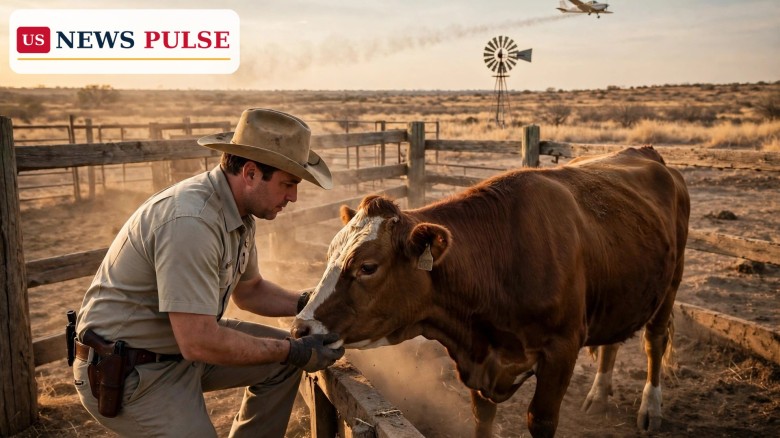
Agriculture Secretary Brooke Rollins says she is "100 percent confident" the New World screwworm outbreak is contained, even as federal data shows cases in American animals climbing to a new high. The US Department of Agriculture recorded 64 cases in November as of Friday, November 20, 2026, taking the total since June to 139, up from 120 earlier this month and 113 at the start of November. The parasite has now been found in cattle, horses, sheep, elk, chickens, dogs and cats across Texas, New Mexico and Arizona.
Key Points
- The USDA has confirmed 139 screwworm cases in US animals since June, including 64 in November as of November 20, up from 120 on November 9.
- Agriculture Secretary Brooke Rollins said she is "100 percent confident" the outbreak is contained and the cattle supply is safe.
- Cases span cattle, horses, sheep, elk, chickens, dogs and cats in Texas, New Mexico and Arizona; every New Mexico border county is affected.
- Officials say the flies crossed from Mexico on the wing, not in imported cattle, so live cattle imports will continue.
- The USDA drops 140 million sterile flies a week, up from 100 million in spring, but far below the 500 million a week released in the 1970s.
What Happened
The latest figures show the outbreak still growing. The USDA recorded 34 cases in October and 64 more in November as of November 20, taking the total to 139 by November 15, up from 79 on November 1. The rise follows cooler autumn weather and torrential rains from Hurricane Polo in late September.
Rollins made her declaration in an interview as the numbers climbed. "We are 100 percent confident — not 99, not 90, not 80 — we are 100 percent confident we have this contained," she said, in remarks reported on Monday, November 23. Despite the rising count, the administration is not tightening the border to cattle: nearly 16,000 Mexican cattle entered in the first week of November, about half the 2024 figure, and officials say no US case is linked to the ports of entry.
Background and Context
The New World screwworm is a parasitic fly whose larvae feed on the living flesh of warm-blooded animals. Females lay eggs in open wounds, and the maggots burrow into the tissue, causing wounds that can kill livestock and wildlife if left untreated. The United States wiped the pest out in the 1960s with the sterile insect technique, releasing sterilised males so wild females lay eggs that never hatch.
The technique held for decades behind a barrier of sterile-fly releases in Panama. That barrier broke in early 2023, and the fly moved north into Mexico, where about 51,000 cases are now confirmed. The US closed its border to Mexican cattle imports for more than 15 months from May 2025, and the first US case came on June 3, 2026.
As our earlier report on the outbreak reaching 113 US cases detailed, those cases spanned 32 counties in Texas, New Mexico and Arizona. A Reuters investigation published on November 9 then put the count at 120, finding the US exposed by a shortage of sterile flies: Mexico and Panama together produce only about 150 million a week. The United States still has no sterile-fly plant of its own, and the $610 million Texas plant contracted to M.A. Mortenson this March will not produce until spring 2027.
Screwworm: Why the Numbers Keep Climbing Despite the Fly Drops
The technique only works when sterile males vastly outnumber wild males, so wild females mostly mate with sterile partners. When the supply falls short, enough wild matings succeed to keep the population growing. The USDA now drops 140 million sterile flies a week, up from 100 million in spring, but far below the up to 500 million a week of the 1970s eradication.
Weather has worked against the programme. Cooler autumn temperatures and the rains from Hurricane Polo created ideal conditions for the fly, and officials expect cases to drop as overnight temperatures fall below freezing — but warn of another broad-based increase next spring. The flies also cross the border under their own power, so inspections and import controls alone cannot stop them, which is why officials have ruled out halting live cattle imports.
Reactions and Quotes
Rollins's declaration is the administration's most emphatic assurance yet, putting her credibility directly behind the containment effort. She called the cattle supply safe while the case count is still rising, a contrast likely to draw scrutiny from ranchers and lawmakers if the numbers keep climbing.
The department has previously defended its response. A USDA spokesperson told Reuters the agency has "acted urgently and pursued every practical avenue to get more sterile flies into the field as quickly as possible".
Why It Matters
The outbreak matters first to American ranchers. Cattle are the main target, and every case means treatment, quarantine and lost value, on top of a border closure that lasted more than 15 months. Mexico is one of the largest suppliers of feeder cattle, and the slow reopening has rippled through beef prices.
It matters beyond the ranch gate too. The pest attacks any warm-blooded animal with an open wound, including pets, horses, sheep and wildlife, and its spread into three states shows it is not a distant foreign problem. It is also a test of preparedness: the technique is proven, but capacity shrank until one breach in Panama in 2023 could grow into a continental outbreak.
What Happens Next
The immediate outlook is for the numbers to fall. Officials expect cases to drop as overnight temperatures freeze, killing adult flies and slowing breeding. Surveillance will continue across the three states through the winter, and weekly sterile-fly drops will carry on along the border.
The harder test comes in spring. Officials warn of another broad-based increase when temperatures rise, and say it could take a year or more before the United States is screwworm-free again. The Texas plant, due in spring 2027, is the long-term answer, but it will not arrive in time for next year's fly season.
Frequently Asked Questions
What is the New World screwworm?
A parasitic fly whose larvae feed on living flesh. Females lay eggs in open wounds; the maggots burrow in and can kill livestock and pets if untreated. The US eradicated it in the 1960s.
How many screwworm cases has the US recorded?
139 confirmed cases in animals since June, as of November 20, 2026, including 64 in November — up from 120 on November 9 and 113 on November 6.
Is American beef safe to eat?
Brooke Rollins says she is "100 percent confident" the cattle supply is safe. Screwworm affects living animals with open wounds; meat inspection remains in place.
Why are cases rising now?
Cooler autumn weather and rains from Hurricane Polo favoured the fly, and the sterile-fly supply of 140 million a week remains far below the 500 million a week of the 1970s eradication.
When will the outbreak end?
Officials expect cases to drop with freezing overnight temperatures, but warn of another increase next spring, and say it could take a year or more before the US is screwworm-free again.

The US News Pulse newsroom covers breaking news across the United States and the world, working from wire services, official statements and on-the-record sources. Every story is reviewed against our editorial standards before publication. Corrections and tips: info@usnewspulse.com
About our newsroomLeave a Comment