


 | Today's Date:





Democrats to Lead 2027 With a Congressional Stock Trading Ban, Schatz Says
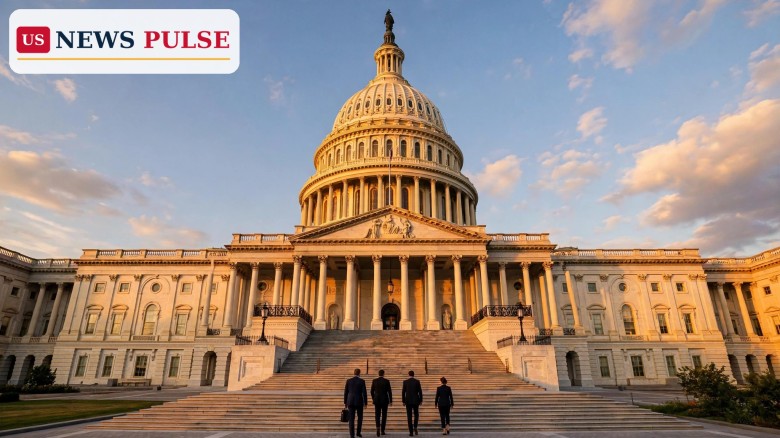
Democrats will open the new Congress in January 2027 with a ban on members of Congress trading individual stocks, Senator Brian Schatz said on Thursday, putting a long-stalled ethics reform at the top of the party's agenda after its midterm sweep. Schatz, in line to become the Senate's second-ranking Democrat, told Reuters the ban would be one of his top three early moves, alongside ending the war with Iran and reversing Republican cuts to Medicaid. The plan already has a Republican backer: Senator Josh Hawley of Missouri, who said the ban is "my bill that's currently pending" in the Senate.
House Democratic Leader Hakeem Jeffries, expected to become speaker on January 3, said the ban should begin a wider clean-up of Congress, the executive branch and the Supreme Court. "We have to make sure that we're cleaning up the mess here," he said.
Key Points
- Senator Brian Schatz says a congressional stock trading ban will be one of Democrats' first moves in January 2027.
- House Democratic Leader Hakeem Jeffries says the ban should start a clean-up of Congress, the executive branch and the Supreme Court.
- Republican Senator Josh Hawley backs the ban and says his own bill is already pending in the Senate.
- Senator Raphael Warnock names ending the Iran war, killing Trump-imposed tariffs and restoring expired healthcare subsidies as his top three priorities.
- Democrats are projected to hold 255 House seats and 55 Senate seats, but most Senate bills need 60 votes.
What Happened
Schatz spoke to Reuters on Thursday, November 12, as Democratic leaders began laying out their plans for the new Congress after winning both chambers in the November 3 midterm elections. "I can confidently say that we want to do a congressional stock trading ban," Schatz said, naming it as one of his top three moves for early January, together with ending the Iran war and reversing the Republican cuts to Medicaid.
His comments were the clearest signal yet that the stock trading ban, debated for years and never passed, will lead the new majority's legislative programme. Hawley, a Missouri Republican, quickly backed the idea, calling it "my bill that's currently pending" in the Senate, and adding that he also backs raising the federal minimum wage and reversing cuts to rural hospitals.
Background and Context
The ban has been one of the most talked-about ethics reforms in Washington for years, yet no version has ever reached the president's desk. The failure to act became a campaign issue in the midterms: outgoing Florida Governor Ron DeSantis, assessing the Republican losses, blamed congressional stock trading among the reasons voters turned away from his party.
Democrats swept both chambers on November 3. Their 100-day agenda promised lower costs and tougher oversight of President Donald Trump, and the stock trading ban now sits at the front of that programme. They are projected to hold at least 255 House seats to 169 for the Republicans, with 12 contests still undecided, and at least 55 Senate seats to 44. In the Senate, most bills need 60 votes, so Democrats would need at least four Republicans to join them, unless they use the 51-vote reconciliation-style procedure the Republicans used for tax cuts.
Congressional Stock Trading Ban: What the Plan Would Do
The plan would bar members of Congress from trading individual stocks while in office, closing a loophole that has let lawmakers buy and sell shares in companies affected by the laws they write. Schatz did not spell out the bill's details, including whether it would cover spouses and family members or require blind trusts, and those choices will shape how tough the final law is.
Past proposals have generally aimed at the same target: stopping lawmakers from profiting from information the public does not have. Hawley's pending bill gives the effort a head start, since the new majority would not need to start from scratch and could move quickly once the new Congress is seated in the first week of January.
Reactions and Quotes
Schatz framed the ban as a first step. "I can confidently say that we want to do a congressional stock trading ban," he told Reuters. Jeffries tied the ban to a broader clean-up. "We have to make sure that we're cleaning up the mess here," he said, arguing the reform should reach beyond Congress to the executive branch and the Supreme Court.
Hawley welcomed the Democratic embrace of a measure he has long pushed. Calling it "my bill that's currently pending," he signalled that at least one Republican is ready to vote for the ban, and he paired his support with backing for a higher federal minimum wage and restored funding for rural hospitals. Senator Raphael Warnock of Georgia, who faces re-election in 2028, set out a different list: ending the Iran war, killing Trump tariffs, and bringing back expired healthcare subsidies.
Why It Matters
A stock trading ban is one of the few proposals in Washington that commands broad public support across party lines. For the new Democratic majority, leading with it sends a message that the midterm victory was a mandate to clean up government, not just to change its policies. It is also a practical test: a bill that passes the House easily must still clear the Senate, where 60 votes are usually required. If Democrats win Republican votes, it would show the new majority can govern.
What Happens Next
The new Congress will be sworn in on January 3, 2027, and Democratic leaders say the ban will be among the first measures taken up in the opening weeks. The House, where Democrats hold a comfortable projected majority, is expected to move first, while the Senate will be the real test. Watch whether the bill is Schatz's version, Hawley's pending bill, or a merged measure. If Democrats cannot find four Republican votes, they may turn to the 51-vote reconciliation-style route.
Frequently Asked Questions
What is the congressional stock trading ban?
It would bar members of Congress from buying and selling individual stocks while in office.
When would the ban be voted on?
Democratic leaders say it will be among the first measures taken up when the new Congress begins in the first week of January 2027, after members are sworn in on January 3.
Does the ban have Republican support?
Yes, in part. Republican Senator Josh Hawley supports it and says his own bill is already pending in the Senate.
Why are Democrats leading with this issue?
Party leaders say voters demanded a clean-up of government, and the ban is broadly popular across party lines.
What else is on the Democrats' early agenda?
Ending the Iran war, restoring Medicaid and healthcare subsidies, killing Trump tariffs and raising the minimum wage. See our coverage of the Democrats' opening plans and the Senate leadership debate.
Leave a Comment