

 | Today's Date:




St. Johns River Flooding Breaks 73-Year Record as Emergency Hits 21 Counties
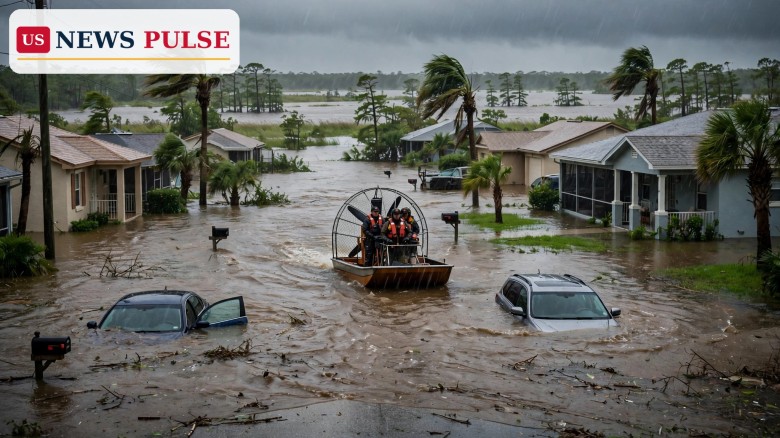
The St. Johns River near Cocoa, Florida, has broken a flood record that stood for 73 years, as a relentless second deluge pushed Central Florida deeper into a flooding emergency that now covers 21 counties.
The river gauge near Cocoa read 18.38 feet at 9:15 p.m. on Thursday, November 19, passing the October 1953 record of 17.55 feet. The National Weather Service forecast a crest of 18.6 feet by Friday evening. More than 100 people have been rescued in Brevard County, where up to 28 inches of rain has fallen since Tuesday, November 17.
Governor Ron DeSantis expanded the state flood emergency to 21 counties on Wednesday, November 18, adding Broward, Duval, Flagler, Miami-Dade, Monroe, Putnam and St. Johns. The emergency began on November 2 for seven counties and grew to 14 on November 4. Two to six more inches of rain are expected through Saturday, with isolated pockets of eight to ten inches.
Key Points
- The St. Johns River near Cocoa reached 18.38 feet on Thursday night, breaking the October 1953 record of 17.55 feet, with a forecast crest of 18.6 feet.
- Governor Ron DeSantis expanded Florida's flood emergency to 21 counties, adding seven more on November 18.
- More than 100 people have been rescued in Brevard County, where up to 28 inches of rain has fallen since November 17, including about 21 inches in two days at Melbourne Beach.
- Port Malabar Boulevard in Palm Bay washed away again on Thursday, three days after reopening following a $2 million reconstruction.
- Seminole County officials warned St. Johns River flooding could persist through December, and AccuWeather says at least minor flooding will likely still be happening at Cocoa into January 2027.
What Happened
The record fell quietly, on a gauge. Early Thursday, the St. Johns River near Cocoa passed the 17.55-foot mark set in October 1953, a level that had stood through more than seven decades of hurricanes and tropical storms. By 9:15 p.m. it read 18.38 feet, and forecasters expected 18.6 feet by Friday evening as runoff kept draining into the river, threatening homes in west Cocoa and Rockledge that had flooded before.
The rain was extraordinary: up to 28 inches since Tuesday, about 21 inches in two days at Melbourne Beach, falling at two to three inches per hour. Rescue crews have saved more than 100 people in Brevard County, using airboats and high-water vehicles, while the Red Cross opened a shelter in Melbourne. Daytona Beach declared a state of emergency as water reached knee- to waist-deep levels in Port Orange, and schools in Flagler, Volusia and Brevard counties cancelled Friday classes.
Background: A Flood That Started Weeks Ago
This is the second act of one disaster. The first round began in early November, when 15 to 20 inches of rain triggered a flash flood emergency, closed schools and forced Election Day polling places to move. Governor DeSantis declared a seven-county emergency on November 2, expanded to 14 on November 4. The river never fell: by Tuesday, November 17, it stood at 17.1 feet, above the 17-foot major flood stage. Then a rare moderate risk of excessive rainfall, only the second such November warning since 2016, brought the second deluge, and the same system dropped more than a foot of rain on Hollywood and Broward County, closing parts of Interstate 95. Read our earlier report on the rare moderate flood risk facing the Space Coast.
St. Johns River Flooding Breaks the 1953 Record
The 1953 record had survived every storm since. Its fall says as much about this rain as about the river: the St. Johns is slow and flat, draining a huge basin, and once it rises it falls slowly, so the danger will outlast the rain by weeks. Seminole County officials warned flooding could persist through December, and AccuWeather says at least minor flooding will likely still be happening at Cocoa into January 2027. The seven counties added on November 18 stretch from Duval and St. Johns in the north to Miami-Dade and Monroe in the south, so the emergency now spans nearly a third of the state.
Reactions: Residents Describe Water Like Never Before
In Rockledge, a resident named Shawn posted a handmade sign warning drivers about water more than two feet deep on Pineland Drive, after speeding cars sent waves into neighbouring homes. "We had cars just flying up and down the road, and it would put a wave in people's houses, especially the ones in the lower area," he said, urging people to stay off flooded roads.
In Palm Bay, a homeowner named Jim watched Port Malabar Boulevard wash away for the second time in two weeks, three days after it reopened following a $2 million rebuild. "It's heartbreaking," he said. Earlier floodwater had entered his home, forcing him to replace flooring. In Satellite Beach, Jonathan, a resident of 33 years, said he had never seen flooding this severe, with water entering his home and flooding a car he bought about a year ago.
Why It Matters
A $2 million rebuild lasted three days. City crews are stabilising Port Malabar Boulevard for a second time, and residents ask whether drainage has been maintained well enough and whether a bridge would let water flow more freely. The flooding is also colliding with Thanksgiving travel, while the same system lifts north and could become Subtropical Storm Kyle. Many homes flooding now flooded two weeks ago, and residents who had just rebuilt are starting over again. Read how the same storm swamped Hollywood and Broward County.
What Happens Next
Forecasters expect two to six more inches through Saturday, with isolated pockets of eight to ten, and the flood threat could last at least another 36 hours. The river is forecast to crest near 18.6 feet, with high water through December. Officials repeat the same warning at every flood: never drive through flooded roads, and call 911 rather than trying to wade or drive out. See how the emergency grew from seven counties to 14 earlier this month.
Frequently Asked Questions
How high did the St. Johns River get?
The gauge near Cocoa read 18.38 feet at 9:15 p.m. on Thursday, November 19, breaking the October 1953 record of 17.55 feet. A crest of 18.6 feet was forecast for Friday evening.
Which counties are under the flood emergency?
Twenty-one. Seven on November 2, 14 on November 4, and Governor DeSantis added Broward, Duval, Flagler, Miami-Dade, Monroe, Putnam and St. Johns on November 18.
How much rain has fallen in Central Florida?
Up to 28 inches in parts of Brevard County since November 17, including about 21 inches in two days at Melbourne Beach. Two to six more inches were expected through Saturday.
Is it safe to drive on flooded roads?
No. A few inches of moving water can sweep a car away, and driving through floodwater pushes waves into nearby homes. Stay off flooded roads and call 911 if you need help.
When will the flooding end?
Rain should ease after the weekend, but the river falls slowly. Officials warned flooding could persist through December, with minor flooding at Cocoa likely into January 2027.

The US News Pulse newsroom covers breaking news across the United States and the world, working from wire services, official statements and on-the-record sources. Every story is reviewed against our editorial standards before publication. Corrections and tips: info@usnewspulse.com
About our newsroomLeave a Comment