

 | Today's Date:


Iran Diplomacy Deal: Araqchi Seeks 'Good, Honourable and Dignified' Agreement
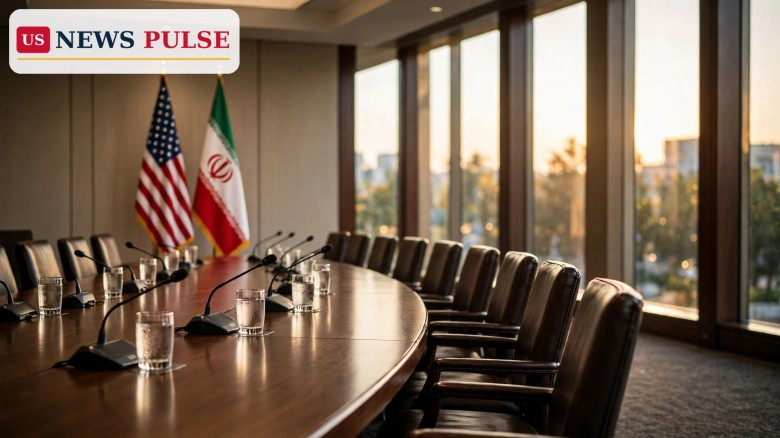
Iran wants a “good, honourable and dignified” agreement to end its war with the United States, Foreign Minister Abbas Araqchi said in an interview published on Saturday, offering diplomacy as the way out of the nine-month conflict — but President Donald Trump has already dismissed the terms Tehran is offering as unacceptable.
The new Iran diplomacy deal push, set out in the state-owned Iran Daily newspaper, is Tehran’s fullest account yet of the bargain pursued through mediators for two months. Araqchi said messages were still passing between the two capitals, and that Iran had discussed confidence-building measures with Pakistan and Qatar.
Key Points
- Araqchi said on Saturday, November 21, 2026, that Iran wants “a good, honourable and dignified agreement” guaranteeing “no further war”, and wants proof Washington is serious before going further.
- Trump said on Friday that Iran wants a deal, “but they don’t want to make a deal that’s acceptable to me”.
- Iran drew up a seven-day plan — its seven conditions for reopening the Strait of Hormuz — sent via Qatari mediators in September, later compressed into a two-day plan that could still form the basis of a deal.
- Iran’s red lines include keeping its enriched uranium at home, including 400 kilograms enriched to 60 percent, though Araqchi said “a fair solution can be reached”.
- Qatari and Iranian officials met on Tuesday to “bridge perspectives”.
What Happened
Araqchi gave the interview to Iran Daily on his flight back to Tehran after visits to Pakistan and Oman. IRNA published the full text on Saturday, in which he described Iran’s initiative to end what he called the state of “neither war nor peace”.
His central line was blunt. “We are seeking an agreement that would ensure there is no more war afterward,” Araqchi said. “We want one that is good, honorable, and dignified, and that preserves our dignity.”
Trump answered within hours at a press conference on Friday. “They want to make a deal, but they don’t want to make a deal that’s acceptable to me,” he said, without spelling out which terms he objected to.
Background and Context
The war began on February 28, 2026, when the United States and Israel attacked Iran, prompting Tehran to strike Israel and Gulf states hosting American bases. It has settled into near-daily strikes the Pentagon rarely acknowledges, NBC News reported this week, with more than 50,000 US troops and two carrier strike groups in the region.
The Strait of Hormuz, through which much of the world’s oil travels, has been at the centre of the fighting. Tankers have been hit by mines and missiles, and crude flows have dropped to about half their prewar level, according to Kpler. Tehran wants sanctions relief before restoring free shipping; Washington insists vessel attacks must stop first. Qatar has mediated throughout.
Iran Diplomacy Deal: The Seven Conditions and the Two-Day Plan
Araqchi laid out the plan in detail. Tehran drew up a seven-day plan combining US commitments under the Islamabad Memorandum of Understanding with new issues, including further US sanctions and Iran’s demand that they be lifted, and sent it to the Americans through Qatari intermediaries during its visit to New York in September.
Under the plan, the United States was to fulfil its commitments during the first five or six days, Iran would reopen the Strait on the sixth, and talks on a final agreement would begin on the seventh. As the US elections approached, intermediaries proposed shortening the timetable, and Tehran agreed: the US acts on day one, Iran reopens the Strait on day two, and talks begin that day, with no deadline.
The two-day plan is no longer on the table, Araqchi said, but it can still provide a basis for a deal if the Americans are serious. “Our position is clear: the seven conditions must be met before the Strait reopens,” he said. “We are ready to discuss US proposals on implementation, including at expert level.”
Reactions and Quotes
On Iran’s nuclear programme, Araqchi drew a firm line. Asked about its 400 kilograms of uranium enriched to 60 percent, he said: “I believe a formula can be found, but we have clear red lines. The material will not be taken out of the country.” A fair solution was possible, he added, but not in isolation.
Araqchi also said Iran’s nuclear doctrine had not changed, while acknowledging a serious debate inside the country. He noted the late Supreme Leader Ali Khamenei, “the strongest opponent of nuclear weapons”, had been “targeted and martyred”, and said Russia and China opposed any change.
On the region, Araqchi rejected Trump’s claim that some countries had asked him to stop the war but keep up sanctions. “I believe this is a narrative the United States is trying to promote,” he said.
Why It Matters
The interview matters because it is the first time Tehran has publicly spelled out what it would accept — and what it will not. The seven conditions, the two-day timetable and the uranium red line are now on the record, giving mediators something concrete to work with. With crude flows through Hormuz halved, a deal that reopened the strait would steady energy markets; failure would leave the region in the “neither war nor peace” state Araqchi described.
What Happens Next
The mediators keep working. Qatar and Pakistan remain the channels for messages, and Araqchi said Iran was ready to discuss American proposals on the seven conditions, including at expert level, once Washington takes confidence-building steps. But Trump has said he will not decide on new strikes until after the new year, and Democrats aim to use the December 11 funding deadline to block money for further attacks. If neither side moves, the war footing stays.
Frequently Asked Questions
What did Araqchi say?
In an interview published on Saturday, November 21, 2026, Iran’s foreign minister said Tehran wants “a good, honourable and dignified agreement” ensuring no more war, and wants proof Washington is serious.
What is the seven-day plan?
Iran’s seven conditions for reopening the Strait of Hormuz, sent via Qatari mediators in September: the US acts over five or six days, Iran reopens the strait on day six, and final talks begin on day seven.
What is the two-day plan?
A compressed version agreed before the US elections: the US acts on day one, Iran reopens the strait on day two, and talks begin that day. It is no longer on the table, but could still form the basis of a deal.
What are Iran’s red lines?
Keeping its enriched uranium in the country, including 400 kilograms enriched to 60 percent, and meeting all seven conditions before the strait reopens. A fair solution was possible, Araqchi said, but not in isolation.
What did Trump say?
On Friday, Trump said Iran wants a deal, “but they don’t want to make a deal that’s acceptable to me”.
Read more on US News Pulse: Iran hardens stance, NYT reports, US and Israel weigh new Iran strikes and Iran calls US reply to Hormuz plan unconvincing.

The US News Pulse newsroom covers breaking news across the United States and the world, working from wire services, official statements and on-the-record sources. Every story is reviewed against our editorial standards before publication. Corrections and tips: info@usnewspulse.com
About our newsroomLeave a Comment